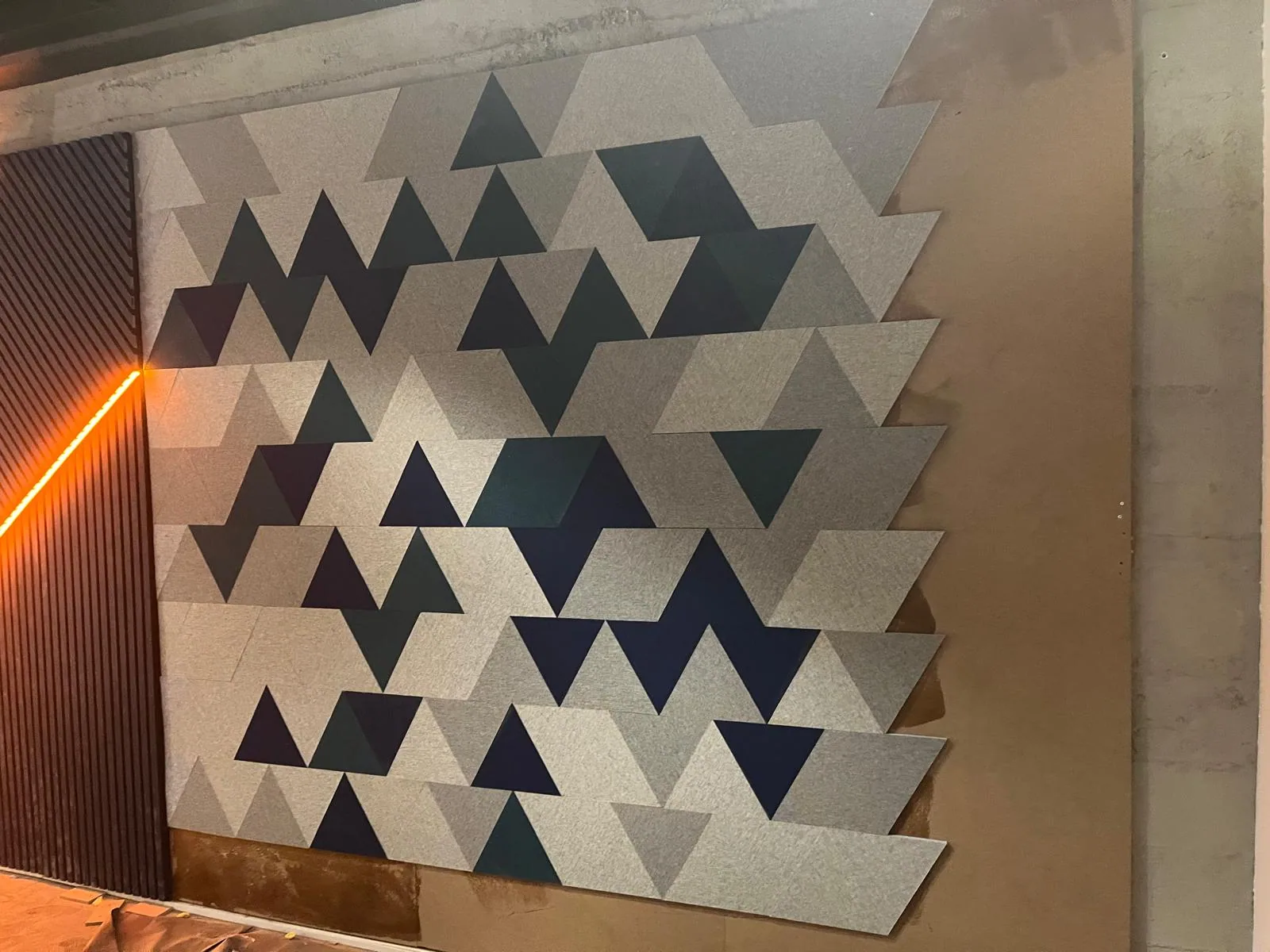
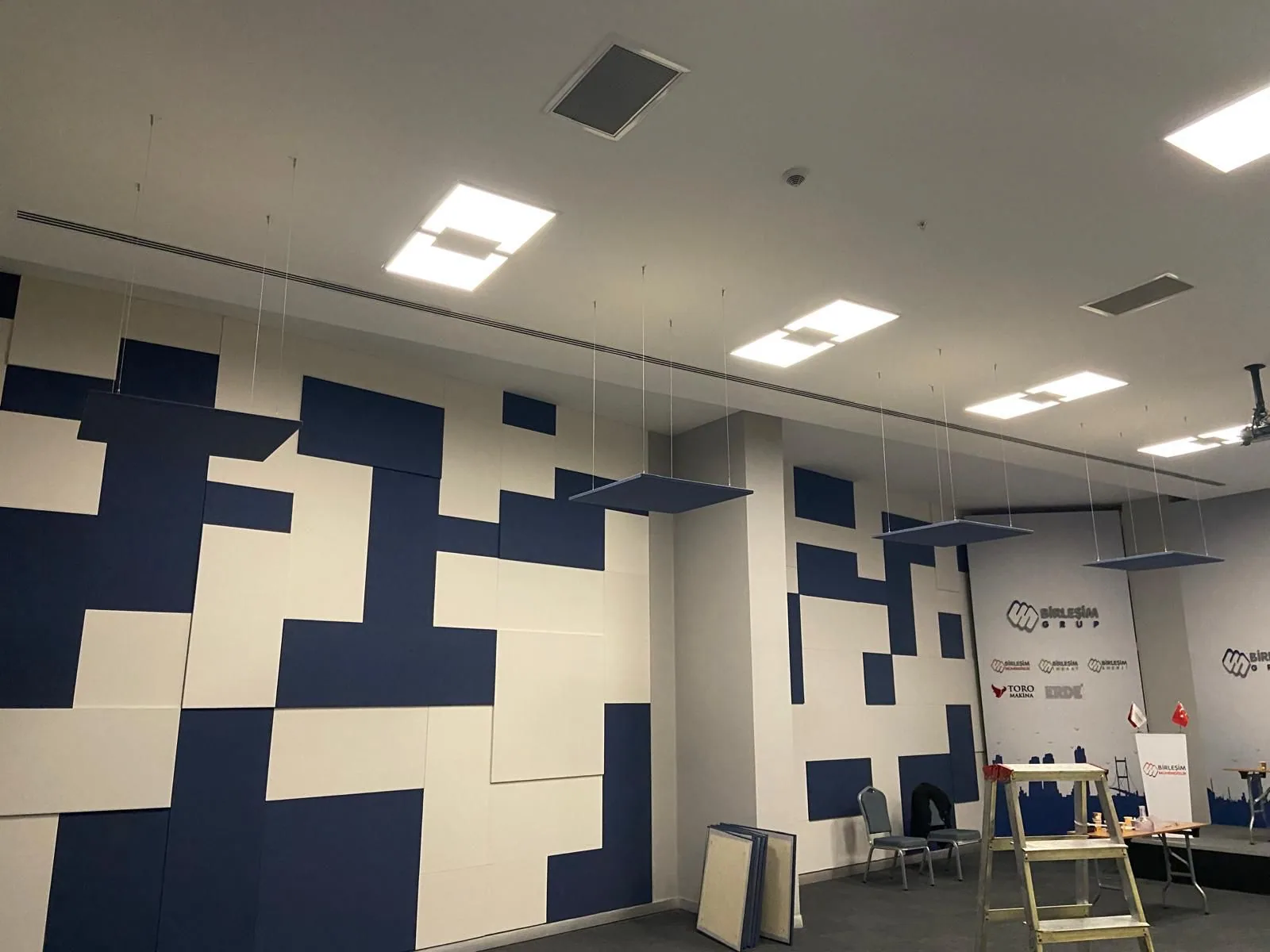
The room echoes
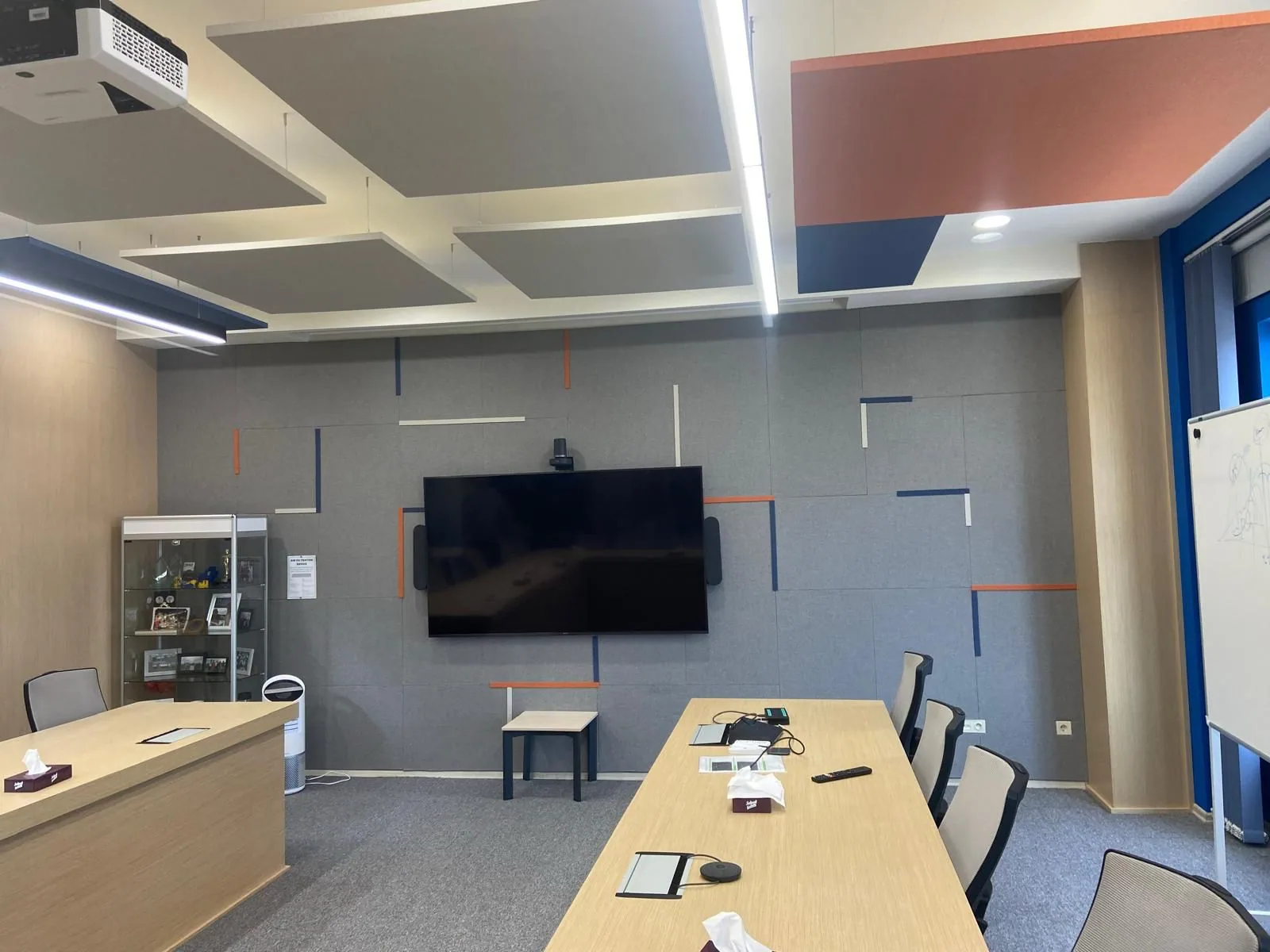
Sounds run into one another, speech is hard to follow, the room hums. The answer is absorption: on the walls and the ceiling acoustic panels.
Acoustic design and panel selectionIstanbul · manufacturing and installation
Fabric-wrapped, felt and timber-slat panels; baffle ceiling systems, acoustic doors and diffusers. We take the measurements, we manufacture the panels, and our own team installs them.
Most enquiries ask for one of the two and describe the other. One sentence is enough to tell which one you actually need.
Sounds run into one another, speech is hard to follow, the room hums. The answer is absorption: on the walls and the ceiling acoustic panels.
Acoustic design and panel selectionThe neighbour can hear you, music carries outside, footsteps come through the ceiling. The answer is isolation: built into the structure sound insulation.
Soundproofing installationMass and decoupling layers that go inside the wall and the floor.
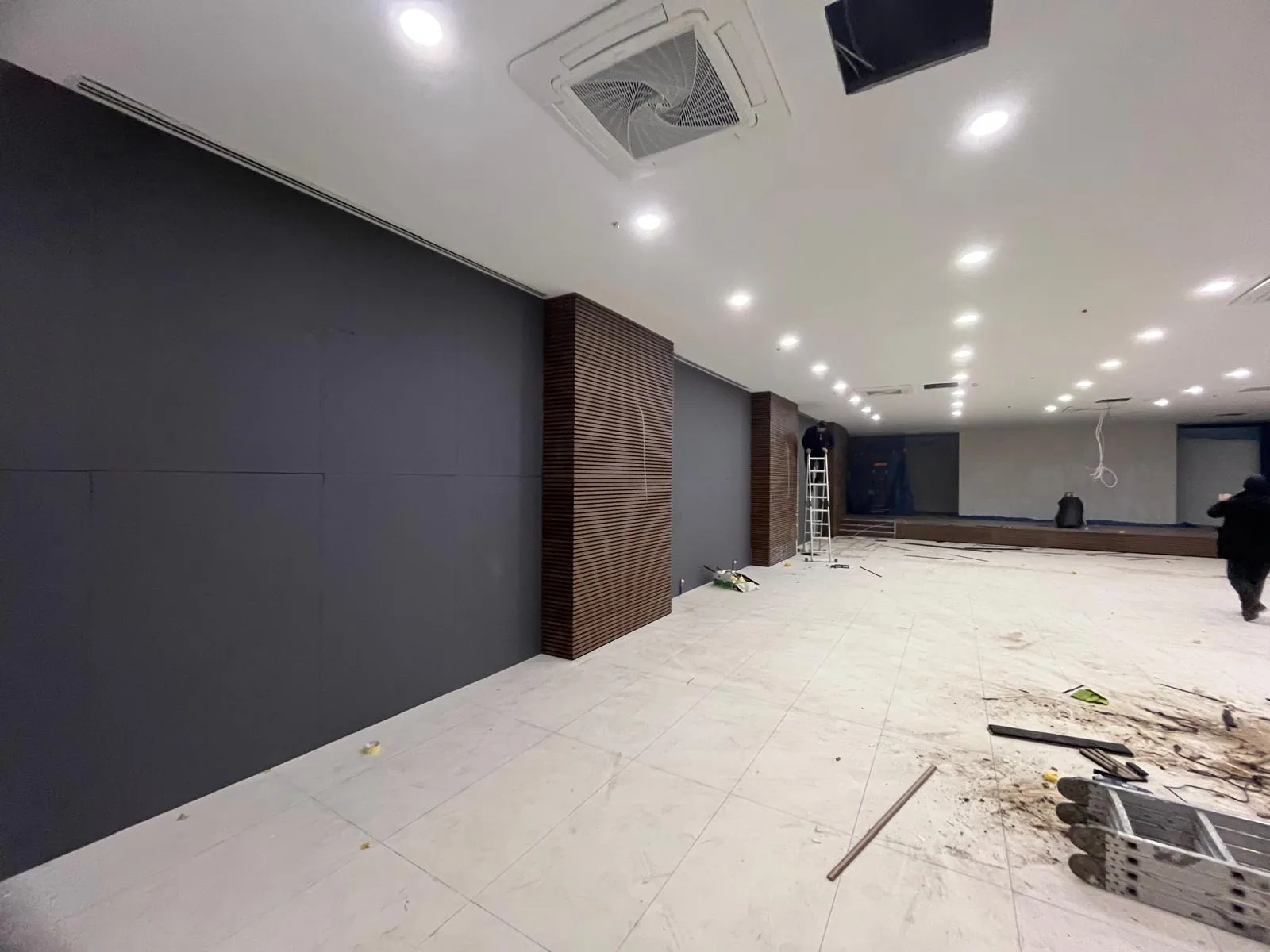
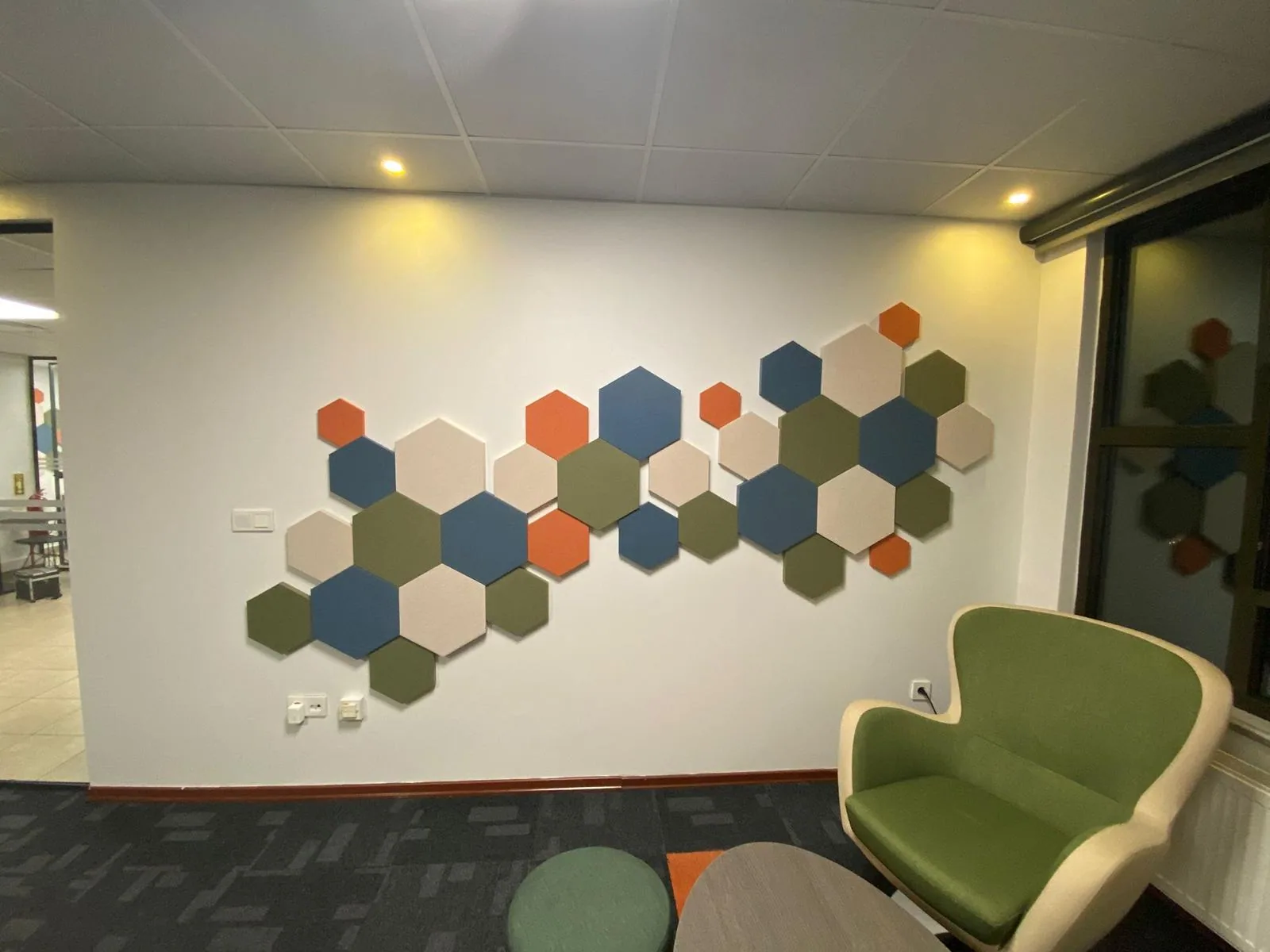
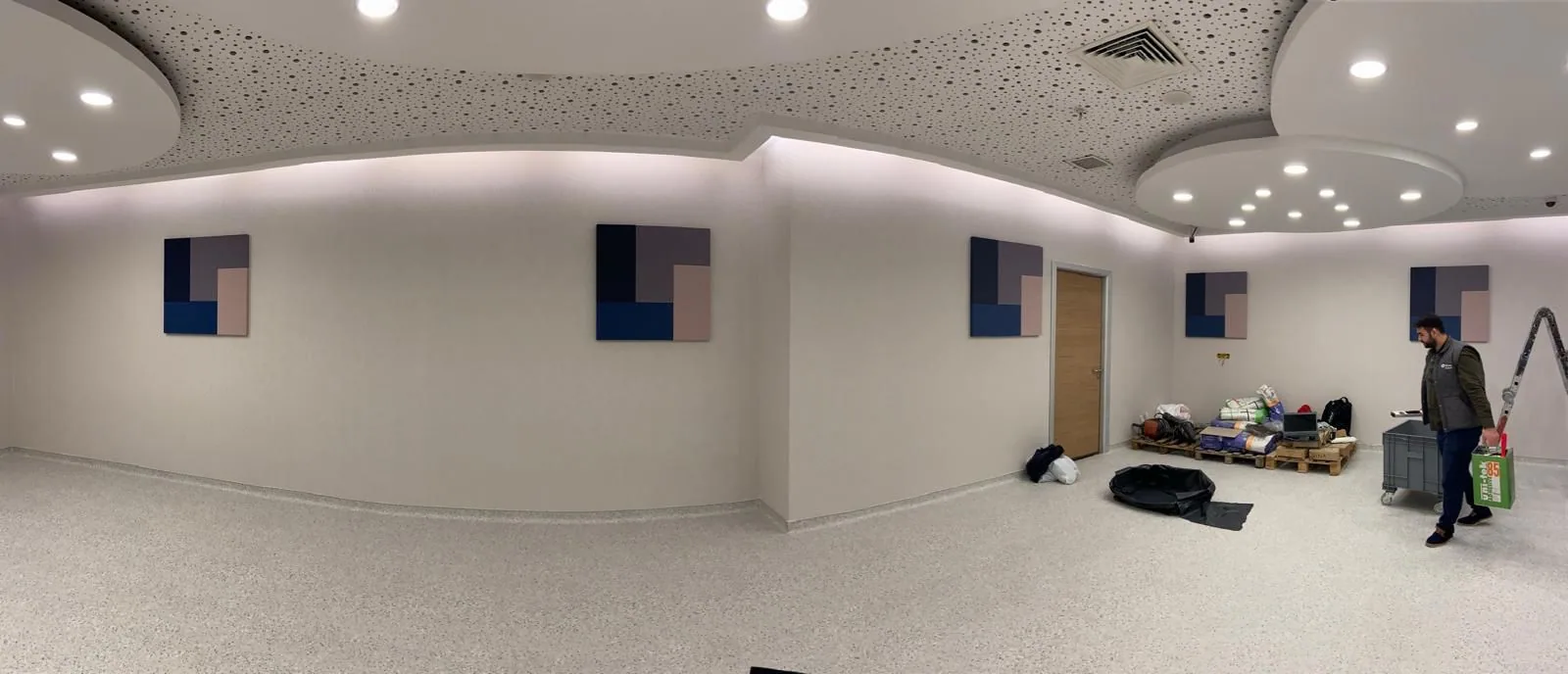
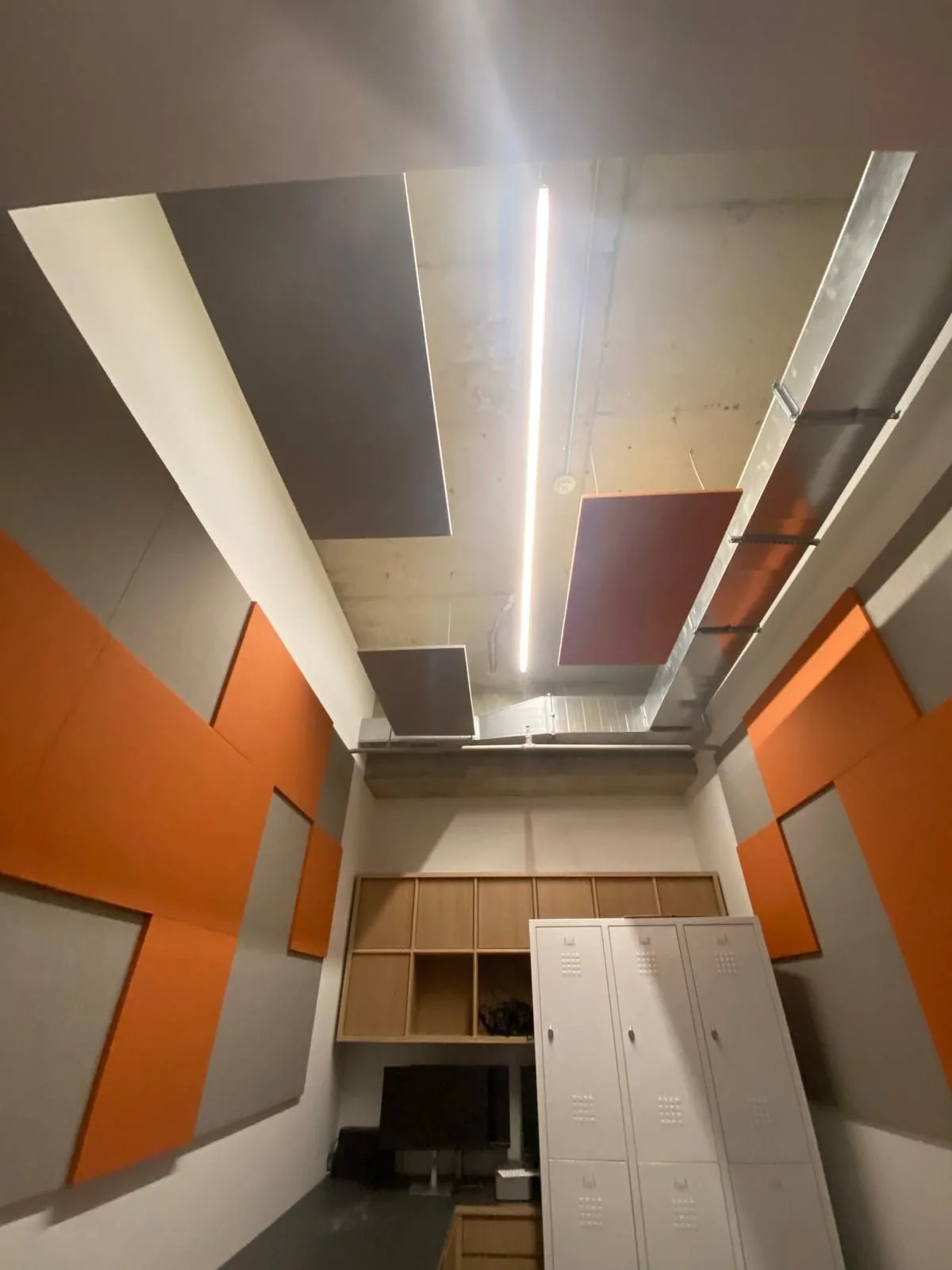
Absorbent panels for walls and ceilings: fabric-wrapped, felt and timber-slat.
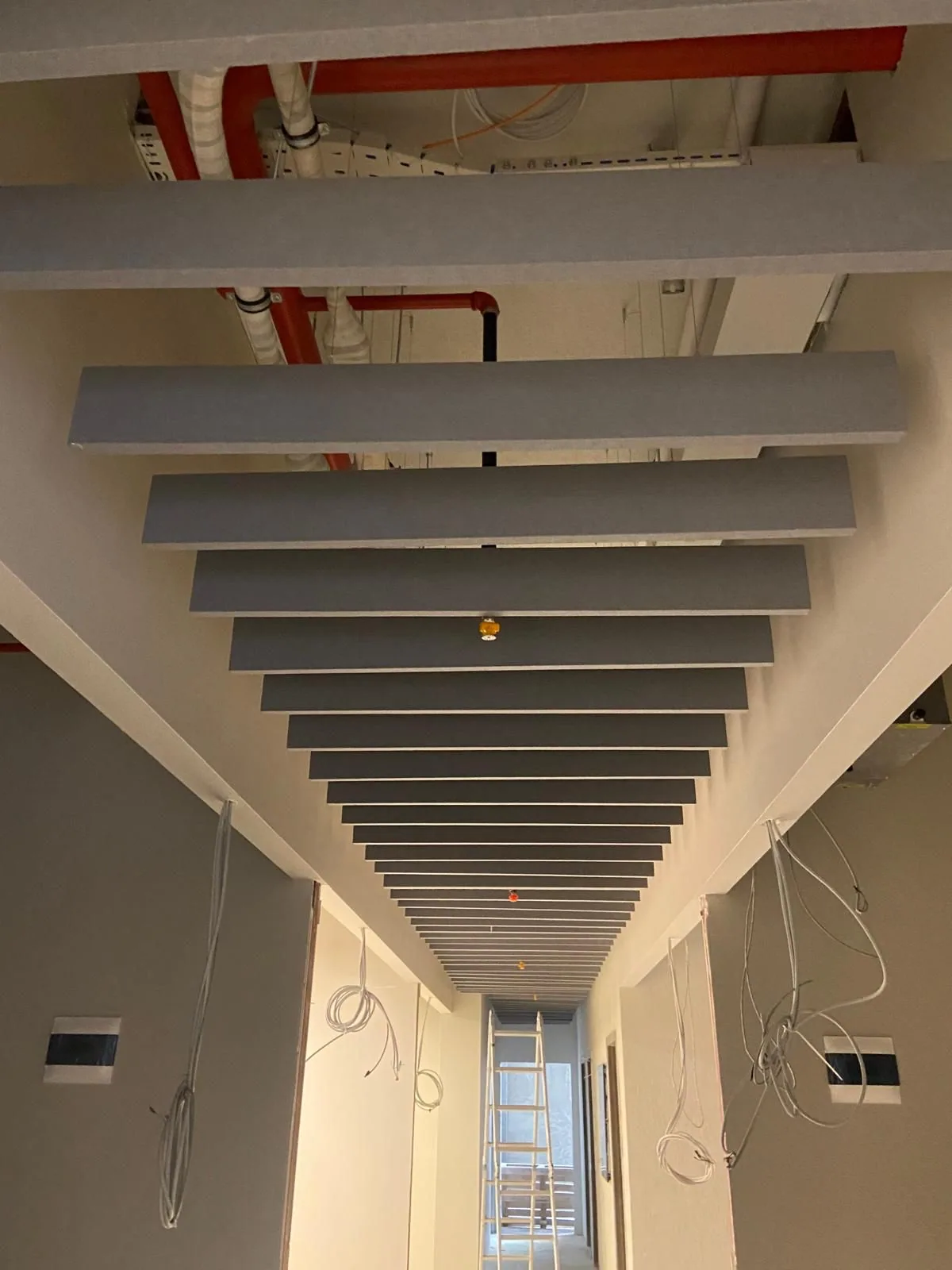
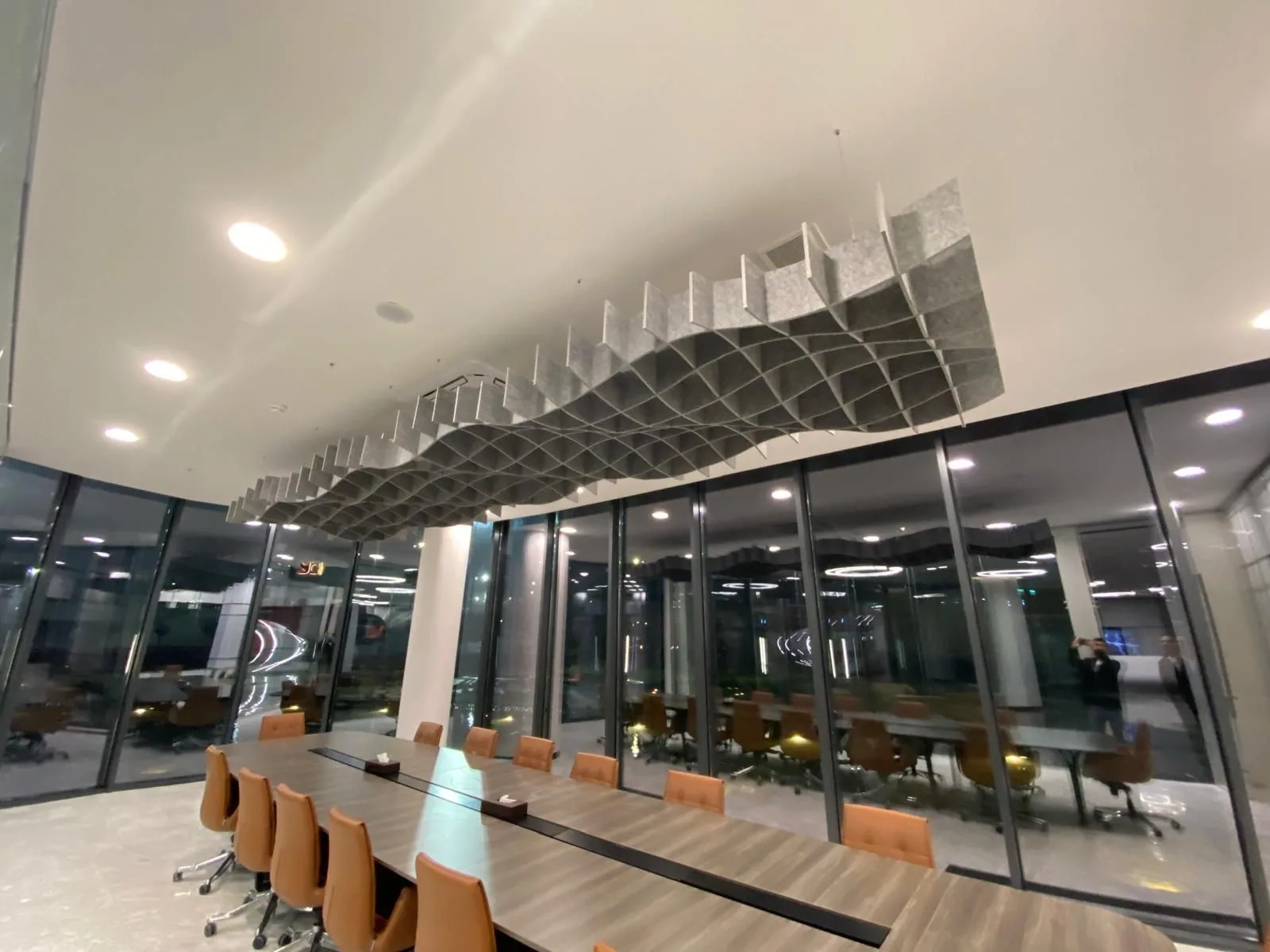
Desk dividers, screens, acoustic curtains and baffle ceiling systems.
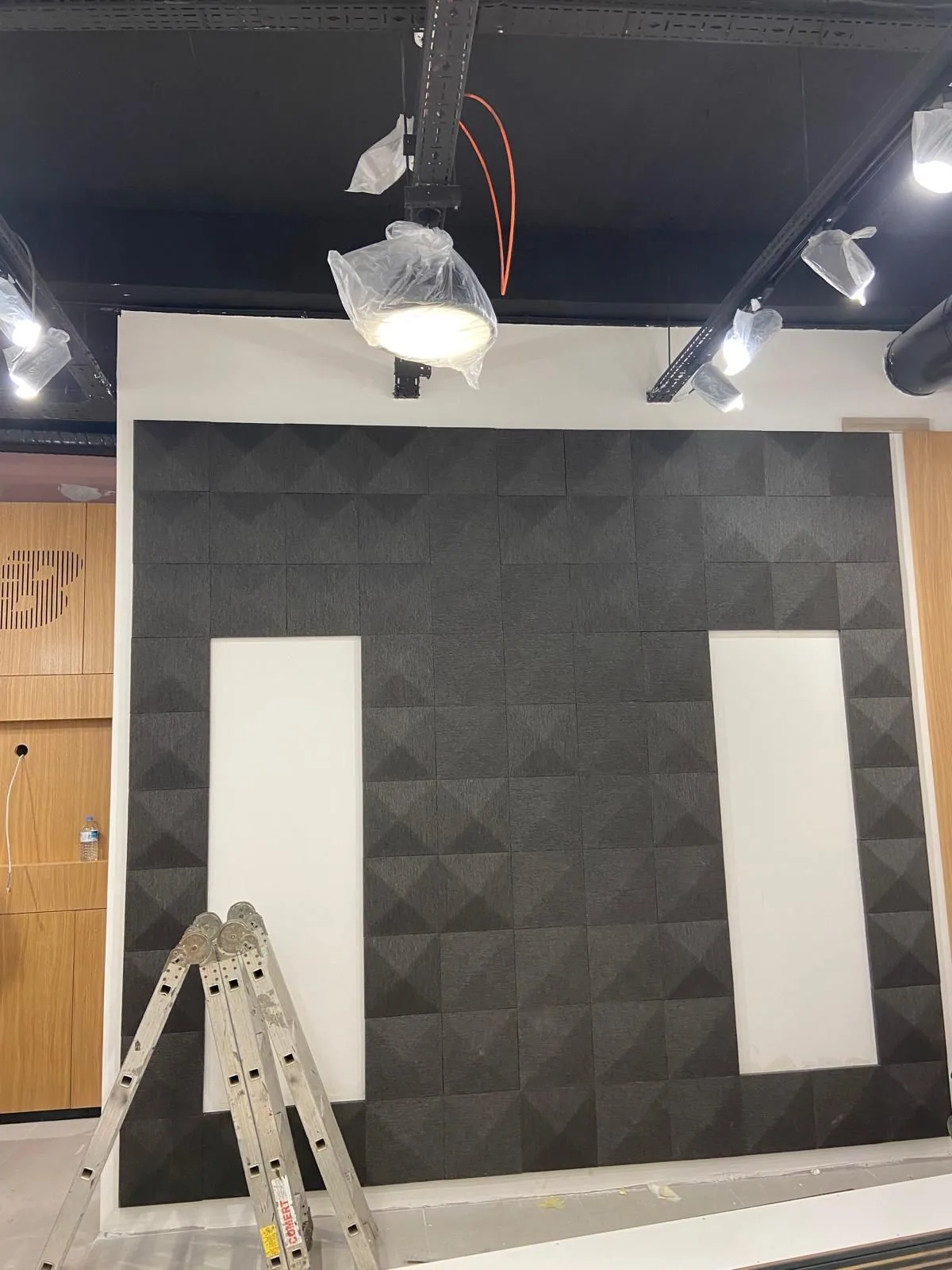
Absorbent foams for recording and rehearsal rooms: melamine, wedge, egg-crate and pyramid.
Acoustic doors made with their frame and perimeter seals.
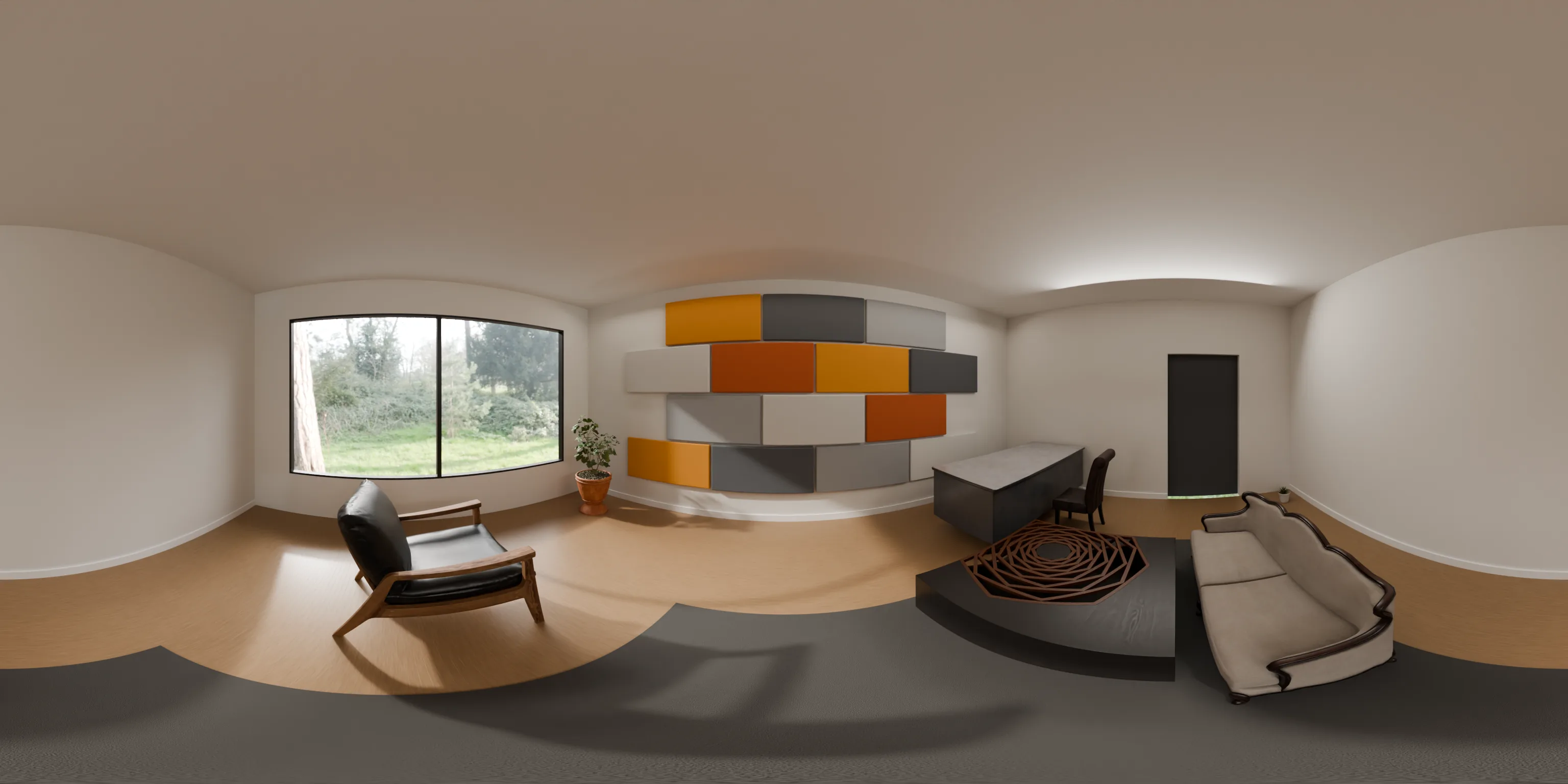
Turn a photo-real room through 360 degrees, click to place the panels and read off the square metres straight away. Compare how it looks in daylight, evening and night light.
Sound insulation reduces the noise that travels from one space to another, so that living and working areas stay quiet, comfortable and under control.
Acoustic design covers the planning and the work that make sound behave the way a room needs it to: sound spreads evenly, echo is brought under contro
Acoustic panels are sound-absorbing products that cut echo and noise inside a room and give it a balanced, comfortable sound. With a range of material
Soundproofing materials are building products used to reduce the noise passing from one space to another. Available in different densities and propert
An acoustic panel absorbs the sound inside a room, cutting the echo and the hum. It makes speech easier to understand and brings the background noise down. It does not stop sound reaching the room next door — that needs insulation built into the wall. The two are different jobs, and most projects need both.
An acoustic panel manages the sound INSIDE the room (absorption). Soundproofing stops sound PASSING between rooms (isolation). If your neighbour can hear you, panels will not fix it; the wall, ceiling and floor need mass and decoupling. If your own room echoes, panels are exactly the right answer.
In practice, covering 15–30% of the wall and ceiling area is enough; in critical spaces such as studios that figure goes up. The right amount depends on the volume of the room, what it is used for and the surfaces already in it. You can place panels in our 3D planner and see the square metres immediately.
Three things: the thickness of the panel, the facing (felt, acoustic fabric, timber slat) and the total square metres. Installation is a separate line. Because we manufacture to measure, the firm price comes after the site survey — and the survey is free.
NRC (Noise Reduction Coefficient) is a number between 0 and 1 showing how much of the sound reaching a material is absorbed. A panel with an NRC of 0.85 absorbs roughly 85% of it. Aim for 0.70 and above in offices and meeting rooms, 0.85 and above in studios.
Wall panels are fixed on concealed hanging profiles or bonded directly; ceiling baffles are suspended on steel cable. Our own team does the installation, and we plan the sequence in advance so it does not clash with painting or electrical work.
Without seeing the space, both the square metres and the price are guesswork. We come, we measure, and we talk through which product goes where on the spot.