Soundproofing and acoustic design services
A complete acoustic service, from the first site survey through installation, measurement and reporting.
Sound Insulation
Sound insulation reduces the noise that travels from one space to another, so that living and working areas stay quiet, comfortable and under control.
- Wall sound insulation
- Ceiling sound insulation systems
- Floor insulation solutions
- Studio and music room insulation
- Office and meeting room insulation
- Plant room and technical space insulation
- Cinema and conference hall insulation
Acoustic Design
Acoustic design covers the planning and the work that make sound behave the way a room needs it to: sound spreads evenly, echo is brought under control, and the room ends up with a balanced acoustic character.
- Office and open-plan acoustic design
- Conference and meeting room treatment
- Acoustic solutions for classrooms and learning spaces
- Studio
- podcast and recording room design
- Acoustic improvement for restaurants
- cafés and social spaces
- Acoustic planning for cinemas and theatres
- Echo and noise control
- Room acoustics optimised with acoustic panels and ceiling systems
Acoustic Panel Manufacturing
Acoustic panels are sound-absorbing products that cut echo and noise inside a room and give it a balanced, comfortable sound. With a range of materials, shapes and finishes they improve how a space performs and how it looks.
- Fabric-wrapped wall panels
- Acoustic felt panels
- Baffle ceiling panels
- Floating ceiling panels
- Timber-slat acoustic panels
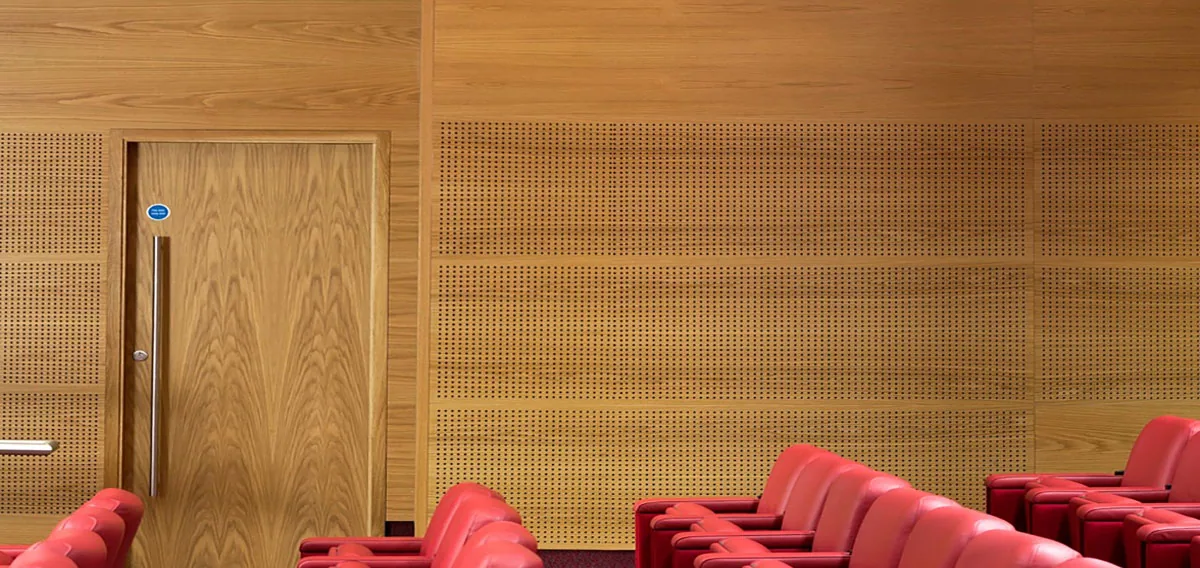
- Perforated timber acoustic panels
- Acoustic desk dividers
- Acoustic screens and partition systems
- Felt ceiling and wall panels
Soundproofing Materials
Soundproofing materials are building products used to reduce the noise passing from one space to another. Available in different densities and properties, they block sound from travelling through walls, ceilings and floors and deliver genuine isolation.
- Rock wool
- Acoustic foam and melamine foam
- Mass-loaded barrier membranes
- Rubber and elastomeric materials
- Floating floor and anti-vibration underlays
- Acoustic sealing tapes and gaskets
- Vibration and impact-noise isolation products
Four steps to a solution
Survey and measurement
We measure and analyse the space on site and document where it stands.
Design
We design an acoustic solution for the project using simulation software.
Installation
Our own team carries out the work, on schedule and in full.
Testing and handover
We verify the result with final measurements and hand over with a warranty.
Get a quote for your project
Our engineers will get back to you within 24 hours.
Request a free site surveyFrequently asked questions
How is soundproofing actually done?
Soundproofing rests on three principles: add mass, fill the cavity and decouple the structure. In practice that means a second layer of plasterboard on the wall, a mass-loaded membrane and absorbent fill between the layers, and an isolation strip under the framing. On floors, a floating layer goes under the screed. No single product insulates on its own; the layers have to work together.
Can I completely block the noise from my neighbour?
Blocking it completely is not realistic; the goal is to bring it down to a level that no longer bothers you. How far it drops depends on the existing wall, any shared structure and the kind of noise. Airborne sound (speech, music) and impact sound (footsteps, furniture) need different answers. The site survey establishes which one dominates.
How much room does soundproofing take up?
Typically 5–10 cm per wall. You can reduce that by using thin, high-mass materials, but every centimetre buys you something. In small rooms we limit the loss by treating only the walls that genuinely need it.
How long does the work take, and can we stay in the house?
A single room usually takes 2–4 working days; a whole floor takes longer. The dusty, noisy stages are short, so on most projects you can stay put. We give you the programme in writing after the survey, including what happens on which day.
For a studio, are insulation and acoustic treatment done at the same time?
Yes, and the order matters: insulation first, acoustics second. You separate the room from the outside, then you tune the sound inside it. Do it the other way round and the panels come back off to make way for the insulation. On studio projects we plan both into one programme.